


-202610121017596081271.jpg)


Download
iLearn application
Elevate Your Financial Knowledge with the
ICICI Direct iLearn App




Financial markets serve as an enchanted world to millions. It creates wealth, multiplies it, and protects it to an extent too. These are some of the key reasons why it draws so many investors. But, how do you start your fruitful journey here, you may wonder? It all begins with the possession of a Demat account. It is the prerequisite to start your investments here. Some call it the passport to enter the lucrative world of financial markets. Before you open a Demat account, these are some of its basics that you must be aware of,
A Demat account, or ‘Dematerialised account’ is an electronic or digital form of holding your securities. In India, it is mandatory to have such an account for buying or selling stocks or other financial instruments. Only then can you trade in stocks, equity, ETF, IPOs, and certain debt instruments. Without a Demat account, you cannot hold any securities. You can open a Demat account with any stockbroker including banks and other financial institutions registered as a Depository Participant with either or both of the two central depositories –National Securities Depository Limited (NSDL) and Central Depository Services Limited (CDSL).
Additional Read: Top Features & Benefits of Demat Account
Additional Read: Can a Demat account be opened without a PAN card?
Additional Read: List of Required Documents to Open a Demat Account
To trade on the stock market in India, you need three accounts. Apart from your Demat account, which essentially is a repository of all the stocks and shares that you own, you need a Bank account (even your personal savings bank will work), and a Trading account, which is where you buy and sell stocks online.
Demat accounts are like bank accounts in many ways. Your stocks are safe, provided you take certain precautions to ensure that other people do not get the credentials to access your account. It is therefore essential that you do not share the credentials (user identification and password) of your Demat and Trading account with anyone, and keep changing your password regularly.
Additional Read: Is a Demat account safe?
Most banks and financial institutions offer free Demat accounts. However, they do charge an annual maintenance fee, which varies depending on the services provided, and a transaction charge for each debit transaction that you make.
Additional Read: Checklist of Demat Account Charges and Fees
You will also be charged for each paper share that you ‘Dematerialise’ or convert into a digital format, or vice versa. Then there are taxes and cess like GST which is imposed on each transaction. In case you pledge security to take a loan, you may also be charged a pledging fee.
Additional Read: Open Demat Account - How can I get a Free Demat Account?
Once you have a Demat account, you can start trading by placing an order through your Trading account. This is processed by a specific exchange like the Bombay Stock Exchange (BSE) or National Stock Exchange (NSE) before the shares are reflected in your Demat account. When you sell, the shares are debited from your Demat account, and the money is credited to your Trading account and then to your Bank account.
There are essentially three types of Demat accounts.
It is used by Indian citizens living in India. The objective of this account is to make trading in securities relatively simple and more convenient. Being an electronic account, it does away with the risks of storing physical security certificates, such as theft, loss, damage, forgery, etc. You can open this account with any bank or registered broker, ICICIdirect.
A Repatriable Demat account is for non-resident Indians (NRIs) who want to transfer their funds abroad. You need to have an associated Non-Resident External (NRE) account to hold this account. The adherence to the rules under Foreign Exchange Management Act (FEMA) is another mandate you must follow to be eligible for a Repatriable Demat account.
A Non-Repatriable Demat account is also for NRIs. But, it does not allow fund transfers to places abroad. To hold this account, you need to link your Non-Resident Ordinary (NRO) savings account with your Demat account for operating effectively. If you are a Regular Demat account holder before gaining your NRI status, you can transfer your account to the Non-Repatriable Demat category once you leave India. This will shift all your shares and other securities to your new Non-Repatriable Demat account.
Now that you are aware of all there is to know about a Demat account, you will be more confident about your platform of venturing into investments. It will also help you utilize all the features of this electronic account to the fullest.
No, but a Demat Account works just like a bank account. When you buy shares, they get added to your demat account and when you sell shares, they get debited from your demat account. One of the best things about having a Demat account linked to a bank account is that you can move money from your savings account to your investment portfolio more quickly.
A demat account is used to hold securities in a dematerialised or electronic format.
Most brokers have zero opening charges for demat accounts. However, there may be other charges like annual maintenance fees, trading fees, etc., which vary from broker to broker.
Demat accounts and online trading have made investing safe and secure. It is advisable to first research the credibility of the broker or depository participant.


Understand contango in commodity trading, how futures prices differ from spot prices, and how financing, storage and insurance costs influence commodity pricing.
 165 views
 1 minutes
 19 Oct 2026
Copper is a widely used base metal known for its electrical and thermal conductivity, strength, ductility and corrosion resistance. It is used across electrical wiring, construction, machinery, power infrastructure and several industrial applications.
380 views
2 minutes
09 Oct 2026
Natural Gas is a widely traded energy commodity used for electricity generation, industrial activity, heating and other applications. Its prices can react sharply to weather, supply and demand, inventories, global energy markets and geopolitical developments.
647 views
1 minutes
30 Sep 2026
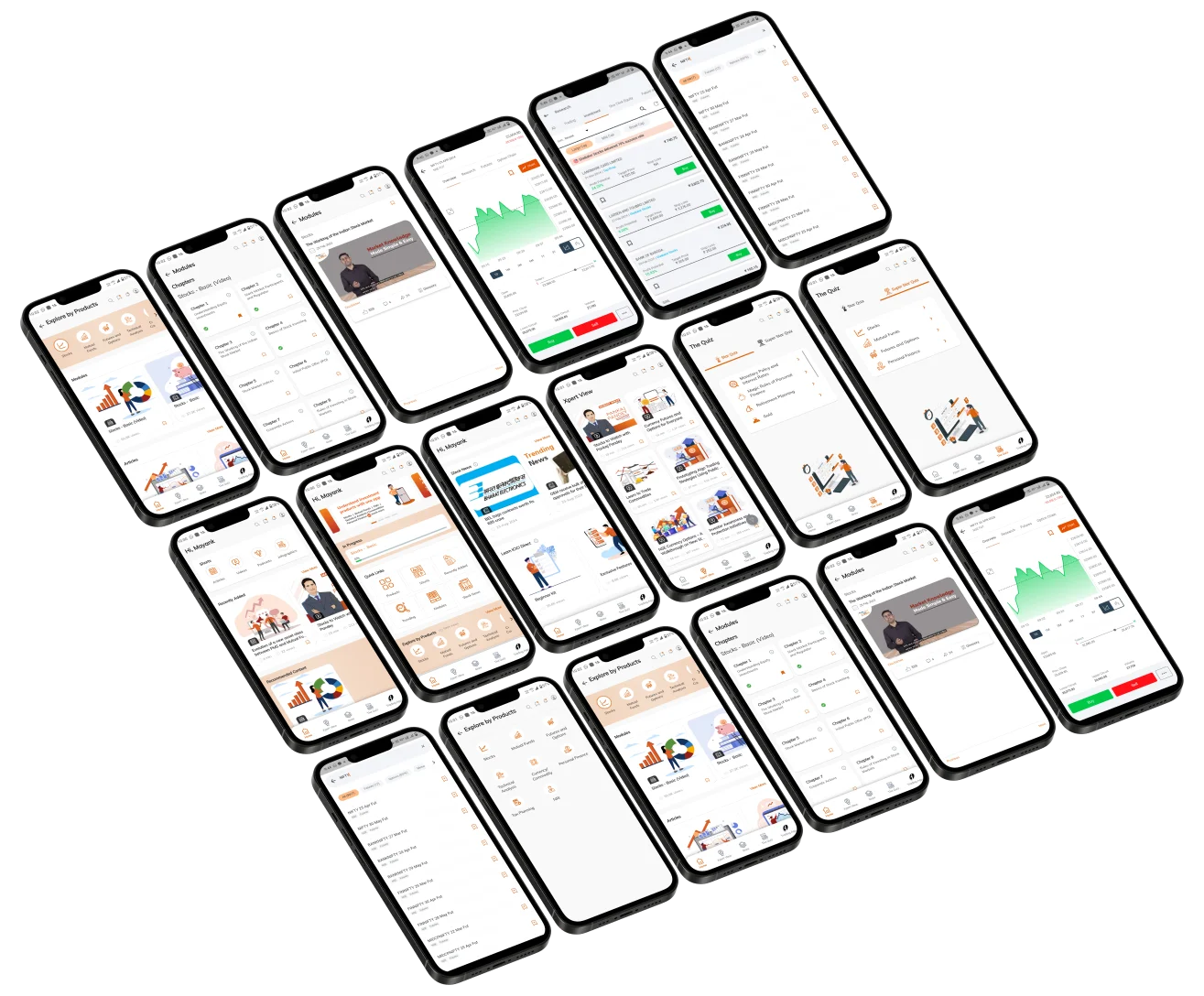
Elevate Your Financial Knowledge with the
ICICI Direct iLearn App
Elevate Your Financial Knowledge with the
ICICI Direct iLearn App
