


-202610121017596081271.jpg)


Download
iLearn application
Elevate Your Financial Knowledge with the
ICICI Direct iLearn App





An Insurance Policy of any kind promises that it will monetarily compensate the insured or the nominee if any unfortunate event happens in the future. This surety comes at a cost, i.e., Insurance premiums paid to the insurer. This is how Insurance Policy operates.
The existence of Insurance gets traced to Manusmrithi, Arthsastra, etc. They talk about risk-sharing by way of pooling resources for unforeseen scenarios. If we look westwards, the Greeks and Romans also established guilds called benevolent societies that paid for people’s funeral expenses and took care of the bereaved family. These factors seem to have sown the seeds for the modern-day Insurance industry, wherein the provider guarantees a sum for any emergency through an Insurance Policy.
Looking at the evolution of the Insurance industry in India, the following years stand out for the stated reasons:
1818: Life Insurance formally made its entry in the Indian subcontinent. The Oriental Life Insurance company was established in Calcutta.
1912: The Indian Life Insurance Companies Act was passed as the first statutory measure to regulate the Life Insurance business formally.
1928: The Indian Insurance Companies Act enabled the government to collect statistical data about the Life and Non-Life Insurance Policy transacted in India.
1938: Intending to protect the interests of the insured population, the earlier legislation got consolidated and amended by way of the Insurance Act, 1938, with comprehensive provisions for effective control over the activities of the insurers.
1956: Through an ordinance, the Life Insurance sector got nationalised, and Life Insurance Corporation or LIC was launched.
1994: The Malhotra Committee set up in 1993 gave its report recommending the government to open the Insurance sector to private players.
1999: The Insurance Regulatory and Development Authority (IRDA) was formed as an autonomous body to regulate and develop the Insurance market in India.
At Present: The Insurance industry has numerous companies to its name, out of which 24 focus on the Life Insurance business, while the rest are Non-Life insurers.
The robust Insurance industry is essential for the growth of any economy as it solidifies the risk-taking abilities of the population. The government understood the importance of this sector and precisely why, based on the Malhotra Committee report, it opened the Insurance sector to private players for its growth and development.
Under the Non-Life Insurance sector, private Insurance companies have a market share of around 54.68%, while Life Insurance holds approximately 33.74% share. Some of the other factors that might boost the Insurance industry in the coming years are:
Strategic Alliances: In January 2020, HDFC Limited acquired a 51% stake in Apollo Munich Health Insurance Company. In November 2020, HDFC Ergo and HDFC ERGO Health merged to form HDFC ERGO General Insurance Company Limited. This led to a higher Insurance network for the masses – including one of the largest cashless networks across 10,000+ hospitals.
Several flagship programmes have been launched by the government for the development of the Insurance sector, such as –
Additional Read: Is COVID-19 covered under Health Insurance in India?
From the old risk-sharing methods of ancient times, the Insurance market in India has come a long way. Buying Insurance online is a matter of only a few clicks. Buying Insurance Policy is no longer vanilla contracts but highly customisable products you can access anytime, anywhere.


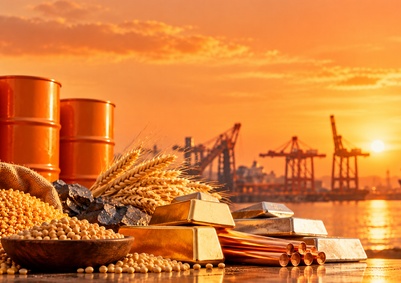
Understand contango in commodity trading, how futures prices differ from spot prices, and how financing, storage and insurance costs influence commodity pricing.
 214 views
 1 minutes
 19 Oct 2026
Copper is a widely used base metal known for its electrical and thermal conductivity, strength, ductility and corrosion resistance. It is used across electrical wiring, construction, machinery, power infrastructure and several industrial applications.
426 views
2 minutes
09 Oct 2026
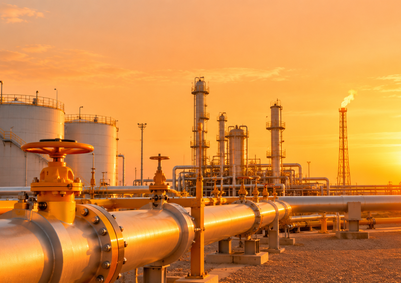
Natural Gas is a widely traded energy commodity used for electricity generation, industrial activity, heating and other applications. Its prices can react sharply to weather, supply and demand, inventories, global energy markets and geopolitical developments.
705 views
1 minutes
30 Sep 2026
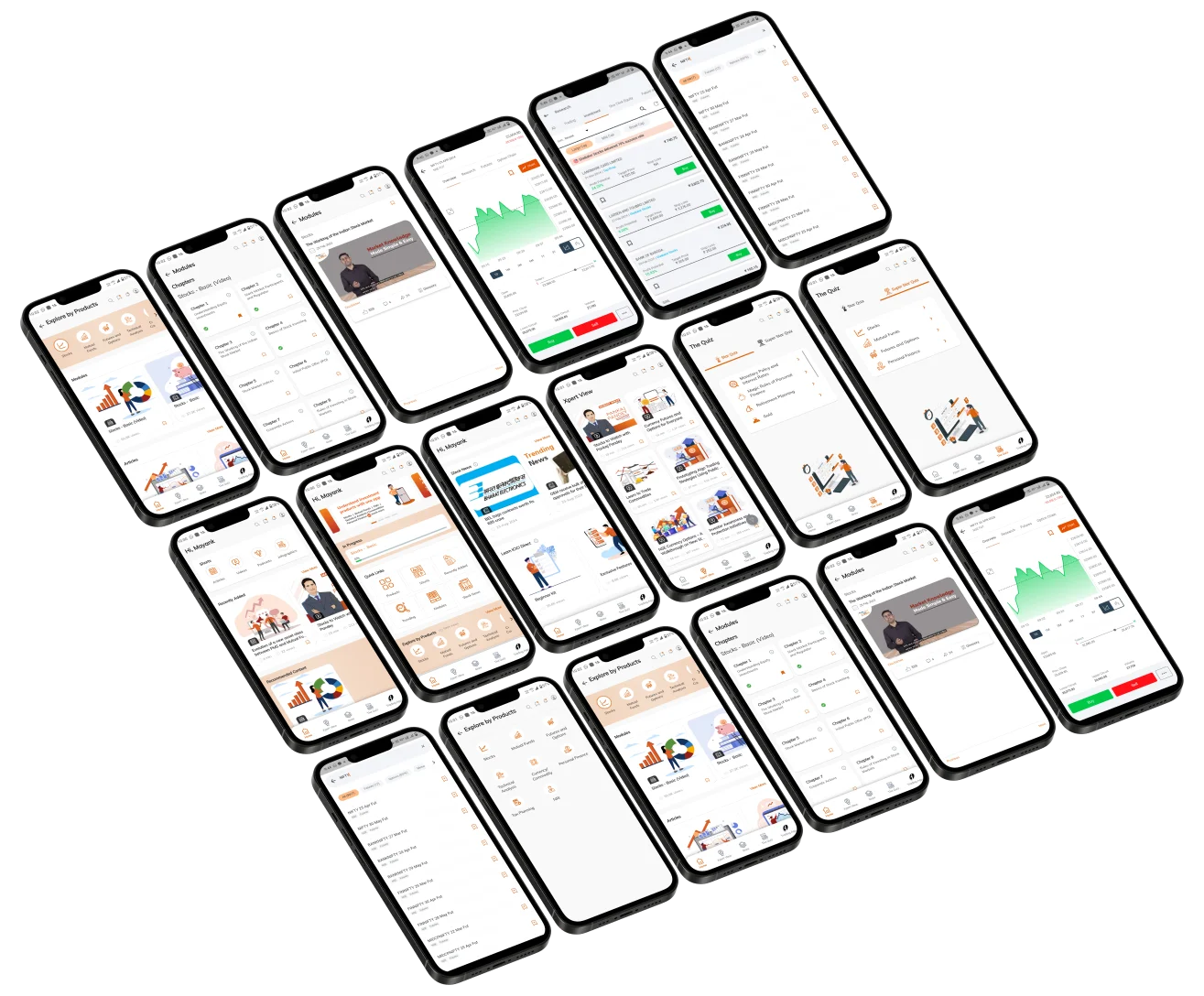
Elevate Your Financial Knowledge with the
ICICI Direct iLearn App
Elevate Your Financial Knowledge with the
ICICI Direct iLearn App
