







Download
iLearn application
Elevate Your Financial Knowledge with the
ICICI Direct iLearn App





CIBIL (Credit Information Bureau India Ltd.) is India’s leading and most trusted credit rating agency. CIBIL is an entity that evaluates your financial responsibility and repayment capacity if you want to take a loan. It assesses various factors that include your employment history, credit card debt, repayment history, and personal and identity-related information, among others. After a careful assessment, it gives a credit score in a report that shows your capacity towards making repayments if you take a loan. Most banks and financial lending organizations trust the CIBIL rating without batting an eye. Here are 10 simple steps to improve CIBIL scores:
If you have any current EMI payments or monthly or annual installments for a running purchase like a car, smartphone, home, or other big buys, always pay them on time. Timely repayments are one of the most crucial factors affecting your CIBIL score. They enhance your creditworthiness.
Before you get new credit to your name, make sure to clear all your pending debt. Any unpaid dues are an indicator of already piled up responsibilities. And if your bank or lender sees that most of your income goes towards the ongoing debt, they might conclude you will not have enough for another loan.
To maintain a healthy credit score, stick to spending up to a ratio known as the credit utilization ratio. The ratio suggests using credit only up to 30% of your total credit limit. A foolproof way to prevent overspending is to make a budget and separating your needs from your wants.
Once you clear a specific debt or loan, do not close it thinking it will look bad on your CIBIL report. Paid-off debts showcase your repayment capacity to CIBIL and financial lenders. They also display your timeline of repaying debts.
One of the most golden pieces of advice is not taking more than your plate can host. Unless you have ample funds to repay them, taking more loans might make it hard to make timely payments. They can also pull you into the loop of further borrowing and leave little to nothing for your daily expenses.
If you want to secure a loan for the first time, it is obvious you won’t have any credit history. As a result, CIBIL won’t be able to evaluate your repayment capacity. The solution is to get short or long-term loans and a healthy credit mix to build a good credit score.
To improve CIBIL scores, always try and opt for a longer loan repayment tenure. If you have a longer repayment tenure, the EMI payments will be less and be easily repayable. They will have a positive impact on your CIBIL score.
When applying for a loan, banks will always see where your money goes. If they see any risky purchases or a pattern of unpredictable moves, they might reject your loan application. An instance of this would be taking advance cash, paying lesser than what is due, or missing multiple repayments.
While being a joint credit holder might have its advantages, they also carry their disadvantages. A partner’s defaults will impact you and your CIBIL score, ultimately lowering your chances of getting a loan.
Sometimes, even CIBIL can make some errors in their CIBIL score reports. Mistakes can happen while updating records. If you identify any such error, immediately inform CIBIL by submitting an online dispute or reaching out to them. CIBIL has a responsibility of rectifying the same or at least responding with a solution within 30 days.
If you wish to apply for a loan to tick off future goals like higher education, marriage, home-ownership, travel, and the like, it is wise to start keeping track of your payments and get to improving your financial discipline, if necessary. These 10 steps can help you achieve the same.


Gold is one of the world's most actively traded precious metals and is widely used for investment, jewellery and industrial applications. It is also considered a safe-haven asset during periods of economic or market uncertainty.
 334 views
 3 minutes
 07 Sep 2026
In this article, we’ll explore the three exchanges that matter most: NYMEX, COMEX, and the London Metal Exchange (LME) and their link with MCX.
501 views
1 minutes
31 Aug 2026
Explore the meaning of a mainboard IPO, SEBI's eligibility routes, NSE and BSE listing rules, key benefits, and the checks investors should make before applying.
2 k views
4 minutes
13 Aug 2026

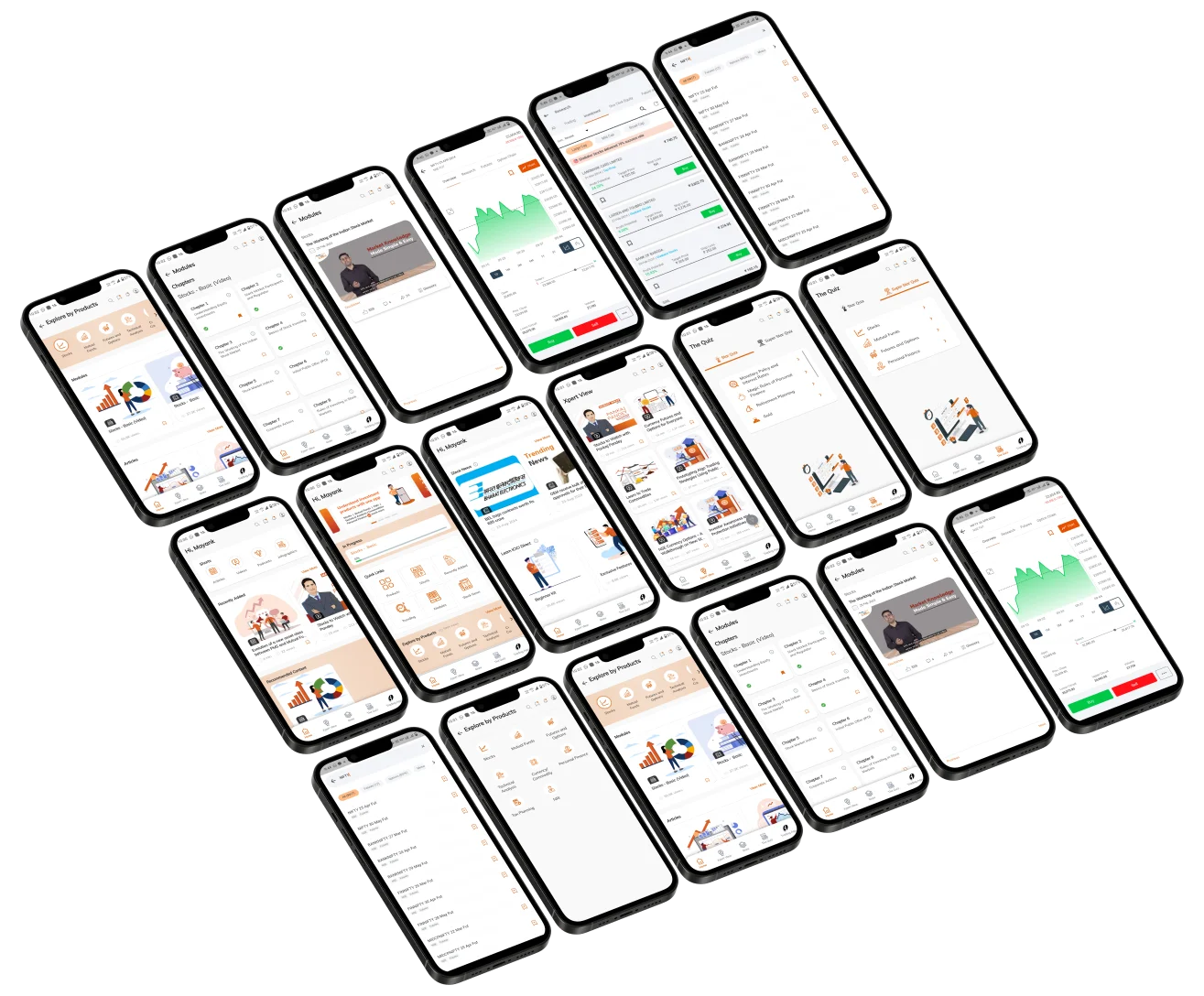
Elevate Your Financial Knowledge with the
ICICI Direct iLearn App
Elevate Your Financial Knowledge with the
ICICI Direct iLearn App
