







Download
iLearn application
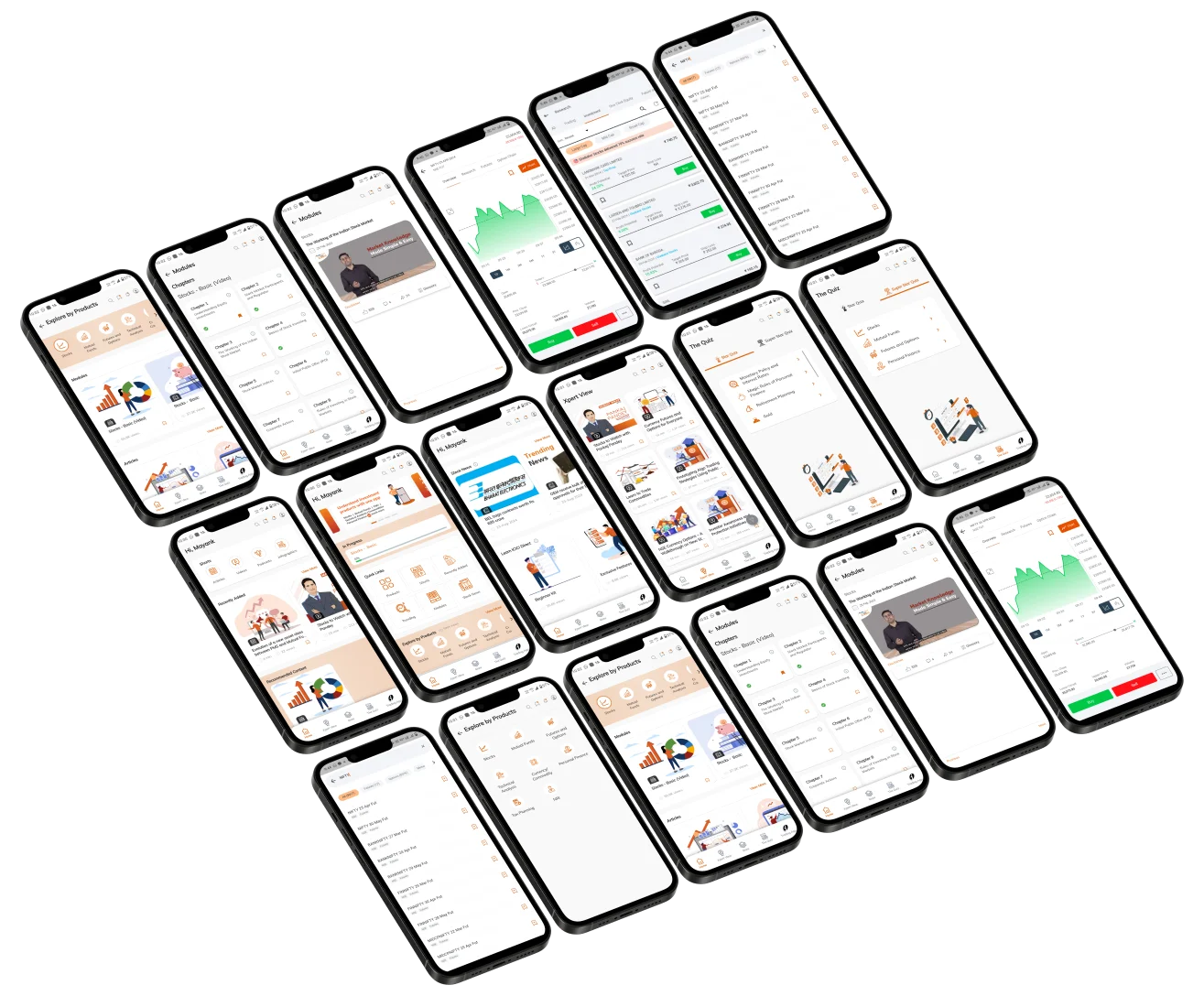
Elevate Your Financial Knowledge with the
ICICI Direct iLearn App



A hybrid fund is a mutual fund scheme that contains a mixture of assets like stocks, bonds, sometimes even gold in a single fund. The diverse nature of the funds helps in minimizing your risks. You can afford to trade with high risk-high return stocks, knowing that if they do get affected, you have safer assets like bonds in your fund to cushion any volatility in the market. You could also get exposure to different asset classes, which otherwise would be challenging to have.
The mutual funds' industry in India started in the early 60s. In 1988, the Unit Trust of India's first public sector investment institution had Rs.6700 crores of assets under management (AUM). As per the annual report published by the Ministry of Finance for the year 2020-21, the AUM of the mutual fund industry stood at about Rs.22.26 lakh crores in March 2020. But the impact of Covid-19 affected the industry in the latter half of the year. The equity markets saw several sells off. Lockdowns by the government and lack of certainty about the future lead to massive fluctuations in the market.
A year later, the stock markets are now at an all-time high. Investors are re-evaluating hybrid funds. According to the data by the Association of Mutual Funds in India (AMFI), for the quarter ended June 2021, hybrid funds had a net inflow of Rs 27,220 crores, a jump from Rs 13,055 crores recorded for the quarter ended March.
Even though hybrid funds are considered riskier than debt funds, they are safer than equity funds. They offer better returns and lower risks. They are considered a good option for new investors who are uncertain about the market, as they provide stability even while testing the equity market's volatility. Investors who tend to panic during sharp market corrections are more accepting of these risk-return outcomes.
As an investor in a hybrid fun, you should accept that hybrids funds are not entirely without risks and should also be prepared not to expect guaranteed returns. You should weigh in the expense ratio (the fee for managing a portfolio) among other competing funds and select the ones with the lowest fee. You should also be aware of their investment horizon and chose the fund to invest accordingly - you must know which funds would be ideal for the length of time that you are willing to hold their portfolio. You may want investments for a few days or to invest for decades. You should also know that the equity component of hybrid funds and long-term and short-term gains from hybrid funds are taxed.
Additional read: Who should invest and how to choose a hybrid fund
So, before you invest in a hybrid fund, it is essential to also check the asset quality in these funds. You need to ensure that you invest in high- quality-investment grade bonds, sound government securities and reliable blue-chip stocks. Your choice must always reflect your appetite for risk and not for the returns generated.


Understand contango in commodity trading, how futures prices differ from spot prices, and how financing, storage and insurance costs influence commodity pricing.
 211 views
 1 minutes
 19 Oct 2026
Copper is a widely used base metal known for its electrical and thermal conductivity, strength, ductility and corrosion resistance. It is used across electrical wiring, construction, machinery, power infrastructure and several industrial applications.
424 views
2 minutes
09 Oct 2026
Natural Gas is a widely traded energy commodity used for electricity generation, industrial activity, heating and other applications. Its prices can react sharply to weather, supply and demand, inventories, global energy markets and geopolitical developments.
701 views
1 minutes
30 Sep 2026

Elevate Your Financial Knowledge with the
ICICI Direct iLearn App
Elevate Your Financial Knowledge with the
ICICI Direct iLearn App
