







Download
iLearn application
Elevate Your Financial Knowledge with the
ICICI Direct iLearn App





The main reason that a company lists its stock is to raise funds. The money that the company raises is used for several purposes. It is like the salary you earn every month. You might portion it out for rent, household expenses, groceries etc, and save some for investments. The same way, a company portions out proceeds from an IPO for various purposes.
When those needs of the company are met, it will ensure that its growth and profit is also achievable and on track. This offers the investor several benefits. Let’s look at a few reasons why investing in an IPO is a good idea.
One of the main advantages of investing in an IPO is the gain on listing day. Companies get their stock valued and mention a price in their offer document. As an investor, you can apply for a particular number of shares at that price. Say, you receive your shares and the company opens at a price higher than the offer price. You can then procure huge gains. If the price on the day the shares are traded is higher than the price you paid for the shares when you applied for the IPO, it is called a listing gain.
Also Check: IPO Listing 2021
The Securities Exchange Board of India, (Sebi) has made several rules and norms to ensure that small retailers get a fair chance of allocation of shares in an IPO. A small investor might not get this chance to buy shares in the secondary market.
In order to protect the retail investor, IPO markets are now more professional and safer. The prospectus which the company provides to investors lists the company’s performance, financials, risks, growth and future plans. This gives the investor enough information to process before making a decision.
When you invest in a company’s IPO and are allocated shares, you are said to be a shareholder. The founders of the company have to now take steps to keep you invested in their company. They now have goals to reach a particular level of profit that they have promised their investors and analysts. They know that the stock price will rise or fall, depending on how their company performs.
Sebi has developed a process called application, supported by blocked amounts for IPOs. This ensures that money is debited from your account only after the shares are allotted to you on listing. This money continues to be in your account, earning interest till the allotment day. This might not be the case if you have to buy them in the secondary market.
Additional Read: Apply for IPO without a Demat Account
When you are with a company from its early days, you have a chance to receive rapid profits from the start and over a continuous period of time. This can increase your wealth in the long-run.
Since you have invested money in the company, you procure voting rights to decide on the way the company is operated. Assume a company that you have invested in announces in their annual general meeting that they are going to move in a direction that might impact its profitability. You, as a shareholder, have the right to vote against such a decision.
Many investors are lured by IPOs based on the advantages listed above. But how an IPO performs is completely dependent on market sentiment on that particular day. Even global factors impact the chances of you making listing gains or not. While some IPOs go down in history as the most profitable, there are many that open with a bang and then fizzle out when they cannot keep up to market expectations.


Understand contango in commodity trading, how futures prices differ from spot prices, and how financing, storage and insurance costs influence commodity pricing.
 193 views
 1 minutes
 19 Oct 2026
Copper is a widely used base metal known for its electrical and thermal conductivity, strength, ductility and corrosion resistance. It is used across electrical wiring, construction, machinery, power infrastructure and several industrial applications.
410 views
2 minutes
09 Oct 2026
Natural Gas is a widely traded energy commodity used for electricity generation, industrial activity, heating and other applications. Its prices can react sharply to weather, supply and demand, inventories, global energy markets and geopolitical developments.
679 views
1 minutes
30 Sep 2026

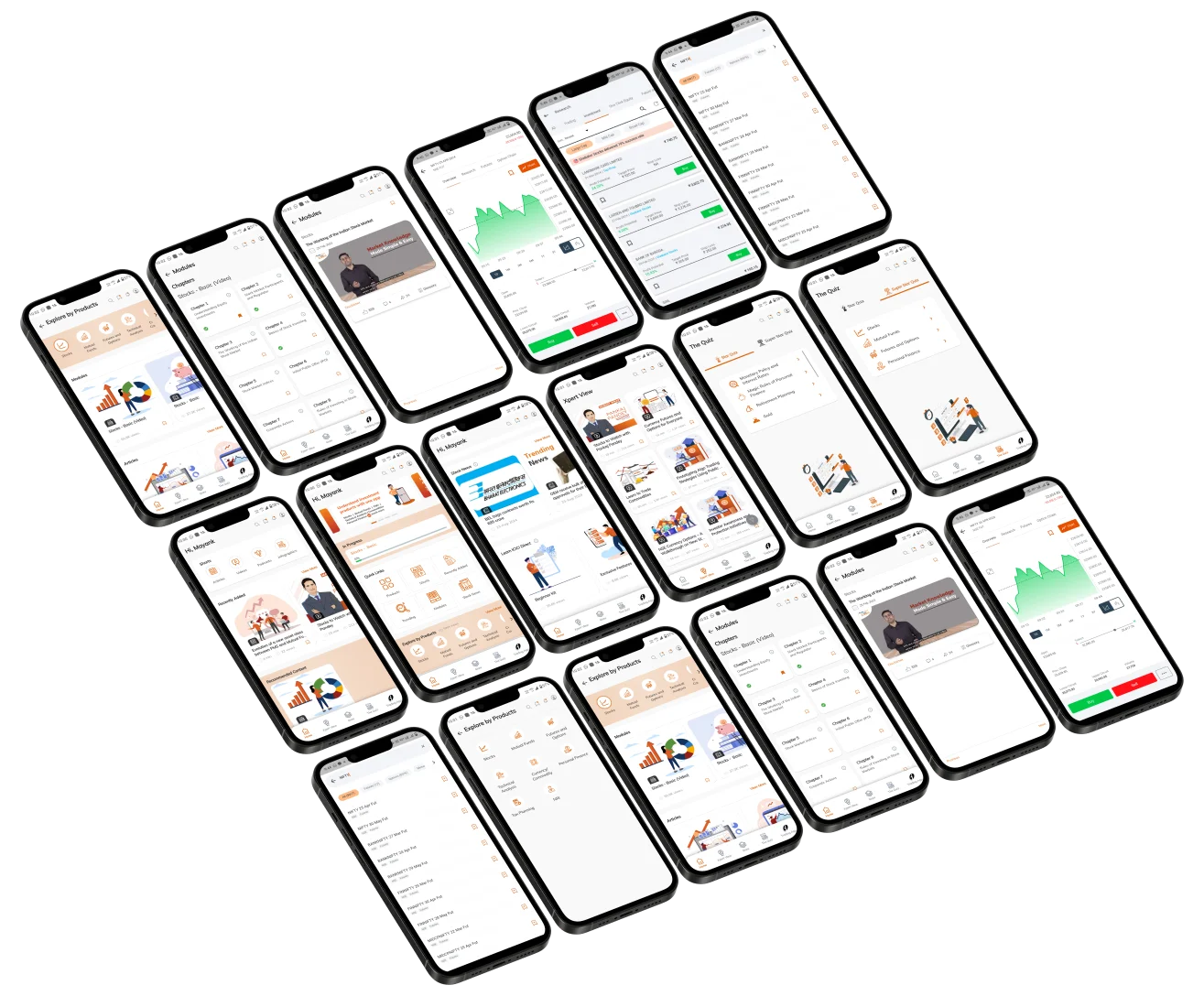
Elevate Your Financial Knowledge with the
ICICI Direct iLearn App
Elevate Your Financial Knowledge with the
ICICI Direct iLearn App
