



-202610121017596081271.jpg)



Download
iLearn application
Elevate Your Financial Knowledge with the
ICICI Direct iLearn App





NRIs are permitted to invest in Indian stock markets because they are Indians, but certain limitations exist. Today, we will look at how non-resident Indians can invest in the Indian stock market.
Citizens and persons of Indian origin (PIO) get classified as NRIs under Indian law. NRIs are people who meet the following criteria.
An NRI should invest Indian rupees. As a result, to invest in Indian markets, an NRI must first open one of the three types of bank accounts mentioned below.
The documents needed to open these accounts are identical to those needed to complete KYC for residents. The Permanent Account Number is one of them. The three accounts, NRE, NRO, and FCNR, vary in several ways.
Since the NRE account is eternal, it can get repatriated. It means that NRE account holders will send money back to their home country. Since the NRO account is a resident account, it is non-repatriable after a year's cap of $1 million. The NRO account is ideal for NRIs who have income streams in India, such as pensions, rentals, etc.
Otherwise, an NRI does not need to do so since an investment made through an NRO Account gets treated as though a resident Indian made it. The funds in an FCNR account are kept in a foreign currency, equivalent to the funds in an NRE account.
Following the opening of a bank account, the NRI would need to open a Portfolio Investment Scheme (PIS) account. Only one PIS Account is approved for NRIs to invest in the stock markets. The bank will oversee the PINS post.
The name of your SEBI-registered broker must be given when opening a PIS account. The NRI will open a trading cum Demat account with a broker only after all the necessary documents have got submitted and the PIS letter for the account has been obtained. Besides, before a trading or Demat account can be opened, the NRI must sign and execute a FATCA (Foreign Account Tax Compliance Act) declaration.


Understand contango in commodity trading, how futures prices differ from spot prices, and how financing, storage and insurance costs influence commodity pricing.
 187 views
 1 minutes
 19 Oct 2026
Copper is a widely used base metal known for its electrical and thermal conductivity, strength, ductility and corrosion resistance. It is used across electrical wiring, construction, machinery, power infrastructure and several industrial applications.
405 views
2 minutes
09 Oct 2026
Natural Gas is a widely traded energy commodity used for electricity generation, industrial activity, heating and other applications. Its prices can react sharply to weather, supply and demand, inventories, global energy markets and geopolitical developments.
673 views
1 minutes
30 Sep 2026

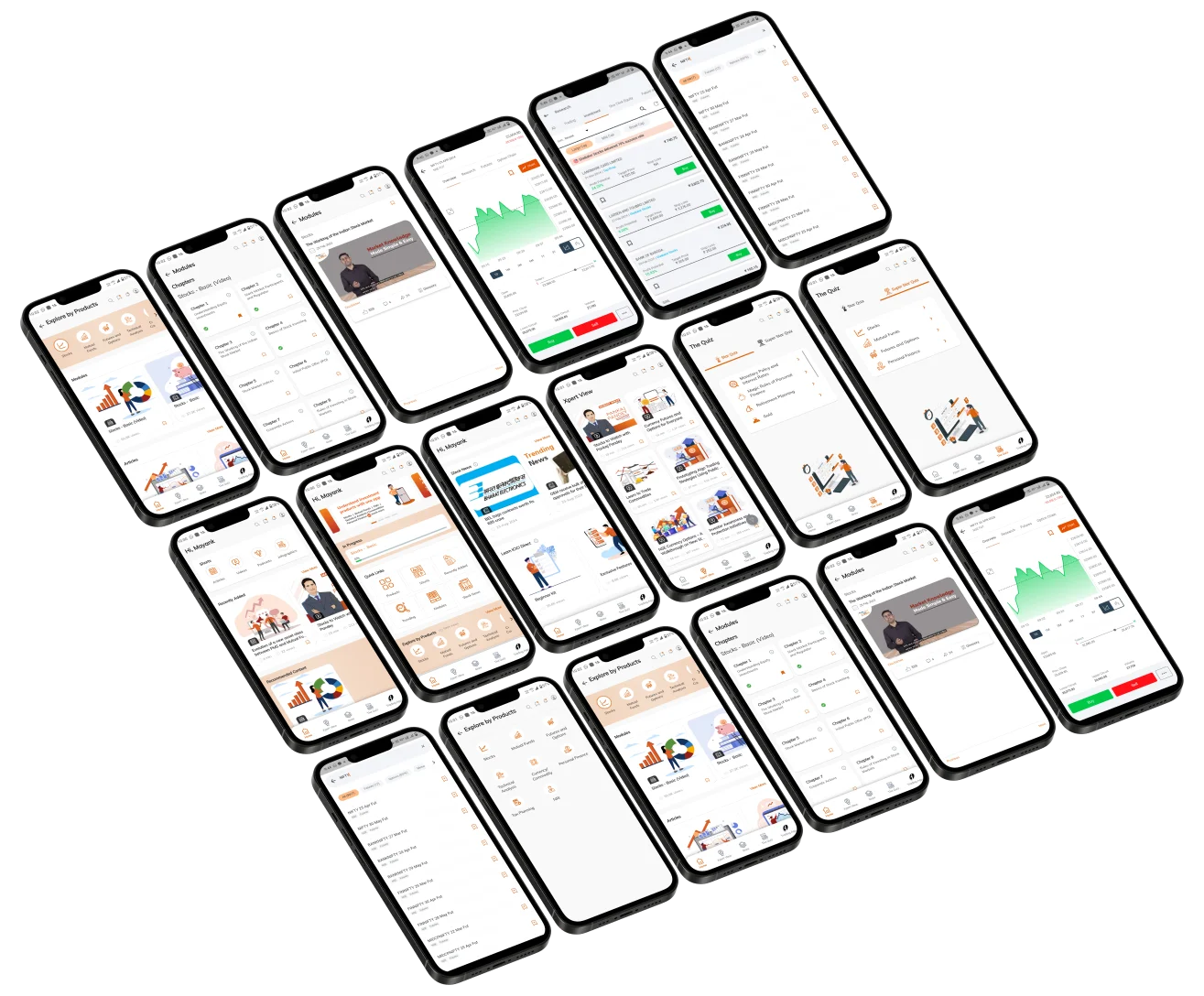
Elevate Your Financial Knowledge with the
ICICI Direct iLearn App
Elevate Your Financial Knowledge with the
ICICI Direct iLearn App
