



-202610121017596081271.jpg)



Download
iLearn application
Elevate Your Financial Knowledge with the
ICICI Direct iLearn App





To invest in the Indian stock markets, NRIs must open NRO/NRE bank accounts and then ensure demat and trading accounts in their names. Alternatively, they can also open a 3-in-1 account that offers the benefits of all the three accounts combined.
The 3-in-1 account combines the features of all the three i.e. bank, demat and trading accounts. The 3-in-1 account enables interlinking of all three accounts, thus, aiding in smooth and faster online trading. A single application form can be used to open all three accounts.
NRIs inclined to trade in the stock market should have the 3-in-1 account to invest in various market instruments including equities, derivatives, mutual funds, initial public offerings and ETFs. Having a 3-in-1 account helps as the bank account is opened to park savings while the trading account is essentially a share broker account that allows account holders to trade in equity and other market instruments. The Demat is an online locker that holds the purchased equity shares in an electronic form.
In comparison to a 2-in-1 account offered by some broking companies, a 3-in-1 account is preferred owing to ease of fund flow between the bank and the account holder’s trading account.
Any investment made in stocks, ETFs or mutual funds in India must be made in the local currency. To invest in the Indian market, NRIs must have access to a bank account, a demat account and a Portfolio Investment Scheme (PIS) account for using NRE funds for investment.
NRIs may open the following bank accounts:
The benefits of opening NRI 3-in-1 account include:
A NRI 3-in-1 account offers you a combination of a bank, demat and trading account all linked together for a seamless and paperless investment experience. It serves as a one-stop solution for NRIs to invest in India from anywhere globally.


Understand contango in commodity trading, how futures prices differ from spot prices, and how financing, storage and insurance costs influence commodity pricing.
 91 views
 1 minutes
 19 Oct 2026
Copper is a widely used base metal known for its electrical and thermal conductivity, strength, ductility and corrosion resistance. It is used across electrical wiring, construction, machinery, power infrastructure and several industrial applications.
334 views
2 minutes
09 Oct 2026
Natural Gas is a widely traded energy commodity used for electricity generation, industrial activity, heating and other applications. Its prices can react sharply to weather, supply and demand, inventories, global energy markets and geopolitical developments.
564 views
1 minutes
30 Sep 2026

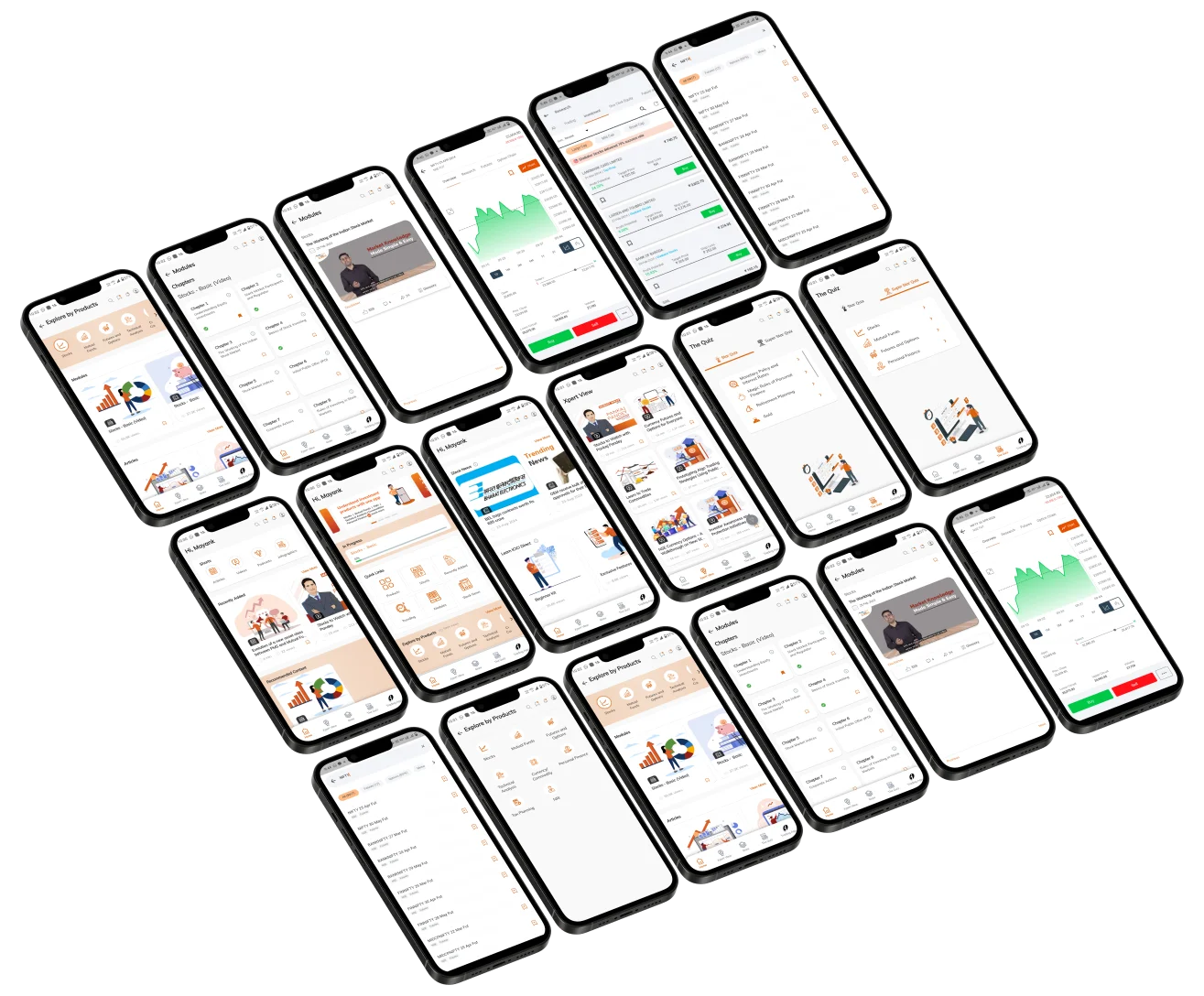
Elevate Your Financial Knowledge with the
ICICI Direct iLearn App
Elevate Your Financial Knowledge with the
ICICI Direct iLearn App
