







Download
iLearn application
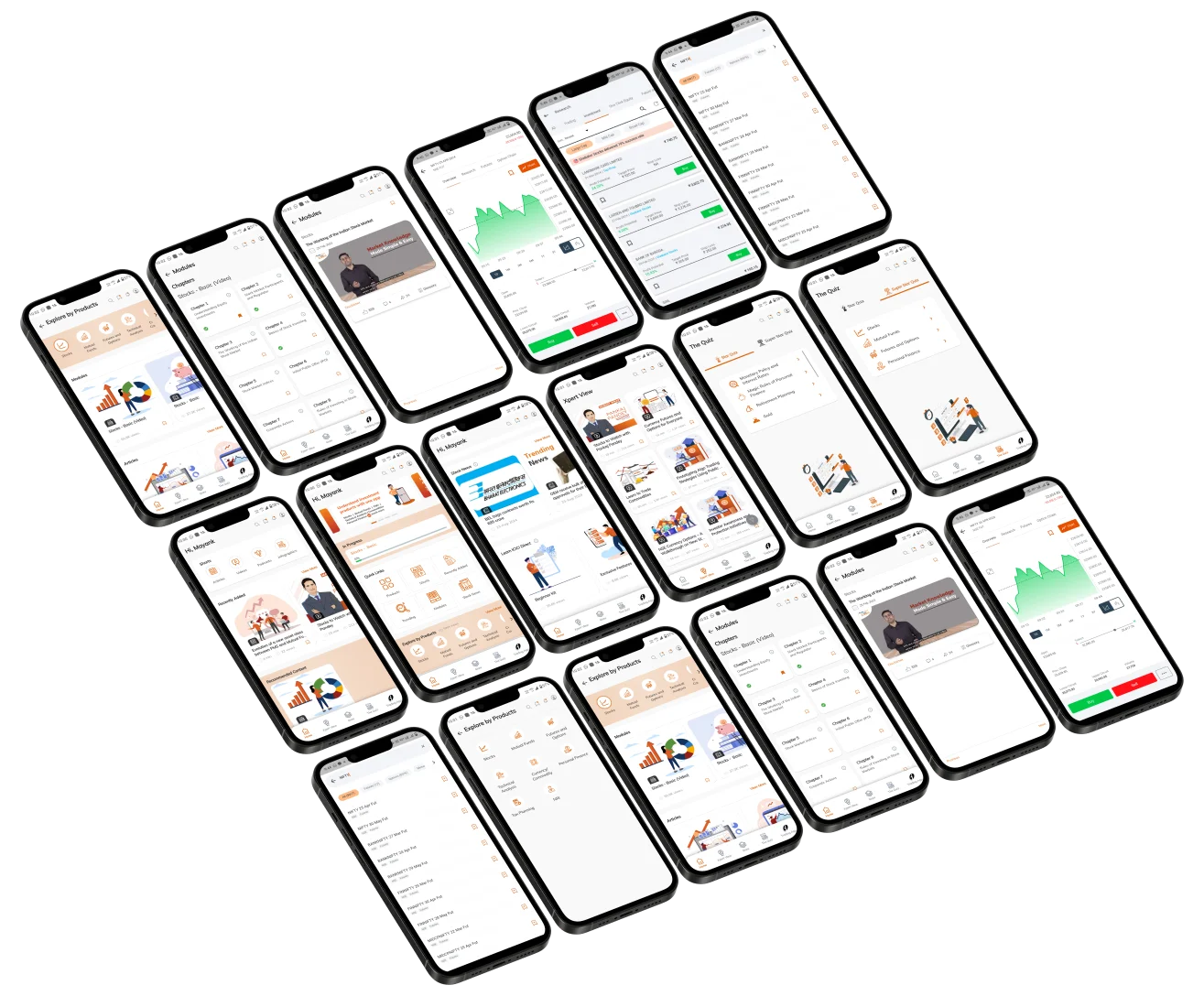
Elevate Your Financial Knowledge with the
ICICI Direct iLearn App



Trading in financial markets can be a rewarding yet challenging endeavor, and achieving optimal returns requires a strategic approach. Whether you are a beginner or an experienced investor, there are various tips to consider to enhance the performance of your trading account. In this article, we will explore tips tailored for different kinds of investors to help maximize returns.
The foundation of successful trading is knowledge. Invest time in learning the basics of the financial markets, different asset classes, and the mechanics of trading. Resources such as online courses, books, and reputable financial websites can be invaluable.
Develop a well-thought-out trading plan that includes clear objectives, risk tolerance, and a defined strategy. Having a plan in place helps you stay disciplined and reduces the likelihood of impulsive decisions.
Before committing real capital, practice your trading strategy with a demo account. This allows you to hone your skills, understand market dynamics, and test your approach without the risk of actual financial loss.
Diversification is a very important strategy to manage risk invest in various asset classes, industries, and geographical regions. This helps mitigate the impact of poor performance in a single area on your overall portfolio.
Keep a close eye on market trends and news that might impact your investments. Utilize financial news sources, analysis tools, and market indicators to make informed decisions. Being aware of economic events and geopolitical developments is crucial.
Implement risk management strategies such as setting stop-loss orders. It ensures limiting the potential losses and thus protecting your invested amount. Additionally, analyze your personal risk appetite and ascertain the money you can afford to loose.
Take advantage of advanced trading tools and technologies. Algorithmic trading, options strategies, and technical analysis tools can provide sophisticated investors with a competitive edge in the market.
Advanced investors should pay attention to macro-economic indicators. Understand how factors like interest rates, inflation, and employment data can influence various asset classes. This knowledge can inform your trading decisions at a higher level.
The financial markets are dynamic, and successful advanced investors adapt to changing conditions. Regularly reassess your strategy, be open to new opportunities, and adjust your approach based on the evolving market landscape.
For long-term investors, fundamentals matter. Conduct thorough research on the financial health of companies, their growth potential, and overall market trends. Invest in assets that align with your long-term financial goals.
Reinvesting dividends can compound your returns over time. Instead of cashing out dividends, use them to purchase additional shares, allowing your investment to grow exponentially.
Periodically review your portfolio to ensure it aligns with your long-term goals. Rebalance your holdings if needed, taking into account changes in your risk tolerance and market conditions.
Maximizing returns on your trading account requires a thoughtful and adaptable approach. Whether you're a beginner or an advanced investor, tailoring your strategy to your level of experience and risk tolerance is key. By staying informed, practicing sound risk management, and adapting to market conditions, you can increase the likelihood of achieving your financial goals through trading.


Understand contango in commodity trading, how futures prices differ from spot prices, and how financing, storage and insurance costs influence commodity pricing.
 214 views
 1 minutes
 19 Oct 2026
Copper is a widely used base metal known for its electrical and thermal conductivity, strength, ductility and corrosion resistance. It is used across electrical wiring, construction, machinery, power infrastructure and several industrial applications.
426 views
2 minutes
09 Oct 2026
Natural Gas is a widely traded energy commodity used for electricity generation, industrial activity, heating and other applications. Its prices can react sharply to weather, supply and demand, inventories, global energy markets and geopolitical developments.
705 views
1 minutes
30 Sep 2026

Elevate Your Financial Knowledge with the
ICICI Direct iLearn App
Elevate Your Financial Knowledge with the
ICICI Direct iLearn App
