



-202610121017596081271.jpg)



Download
iLearn application
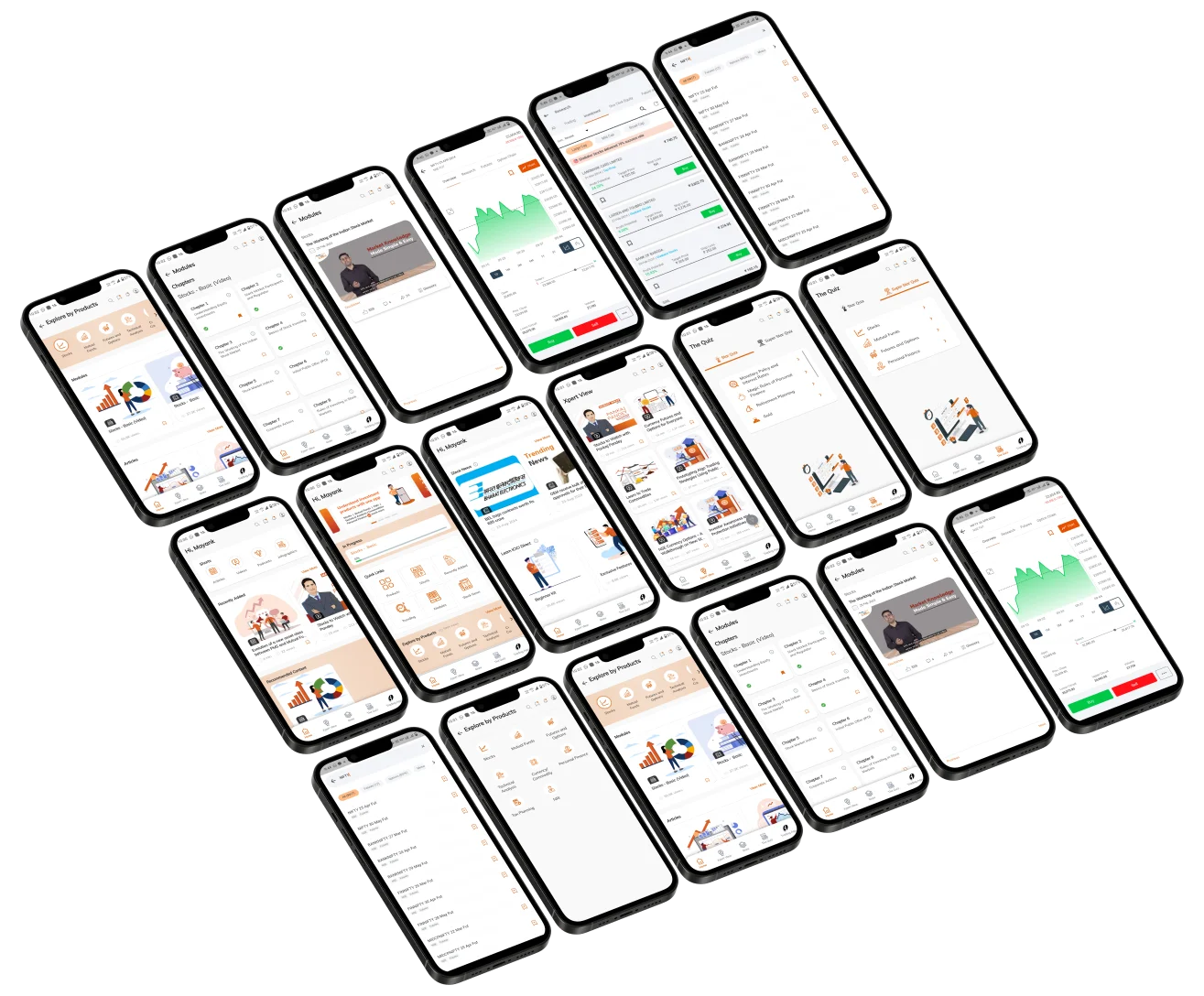
Elevate Your Financial Knowledge with the
ICICI Direct iLearn App





Stock trading requires a trading strategy to succeed, and there are several types in the market. However, the two common types are—intraday and positional. A common dilemma faced by every trader is which trading style to choose since they all come with their risk and rewards. The selection of trading style is a vital step and helps you decide when to buy or sell your stocks in the market. It will accordingly yield returns in the market.
Intraday trading also refers to as day trading. In this type of trading, you get to buy or sell stocks on the same day itself. Based on small market movements, stocks are traded within a few minutes to hours. Intraday thus offers the possibility of earning higher returns in the short term. In this type of trading, you need to close your sale-purchase transactions before the market completes. It brings with it increased risk and is usually performed by experienced traders.
Watch video: https://www.icicidirect.com/knowledge-center/video/equity/how-to-pick-stocks-for-intraday-tradin
Positional trading offers you the option to hold stocks for a more extended period. The stocks are traded within a few weeks to months. Positional trading offers higher returns in the long term. In this type of trading, you need not devote all your time and energy to the market. If you are a beginner in the stock market with a low-risk capacity, positional trading is for you.
Stock trading brings the risk factor with it. Thus, there is no best type of trading in the market. You need to ascertain which one is suitable for you. You cannot enter into the world of stock market trading without showing the type suited for you. The kind of trading you select will determine your trading strategy. Based on this strategy, you will face certain risks and rewards.
To help you decide which is better, let’s have a look at the pros and cons of each:
Each trading style comes with its set of risks and rewards. Thus, you have to weigh the pros and cons of each, depending on your financial goals, risk-taking capacity, and time horizon. Based on these aspects, you can determine whether intraday or positional is better for you.


Understand contango in commodity trading, how futures prices differ from spot prices, and how financing, storage and insurance costs influence commodity pricing.
 211 views
 1 minutes
 19 Oct 2026
Copper is a widely used base metal known for its electrical and thermal conductivity, strength, ductility and corrosion resistance. It is used across electrical wiring, construction, machinery, power infrastructure and several industrial applications.
425 views
2 minutes
09 Oct 2026
Natural Gas is a widely traded energy commodity used for electricity generation, industrial activity, heating and other applications. Its prices can react sharply to weather, supply and demand, inventories, global energy markets and geopolitical developments.
702 views
1 minutes
30 Sep 2026

Elevate Your Financial Knowledge with the
ICICI Direct iLearn App
Elevate Your Financial Knowledge with the
ICICI Direct iLearn App
