





Download
iLearn application
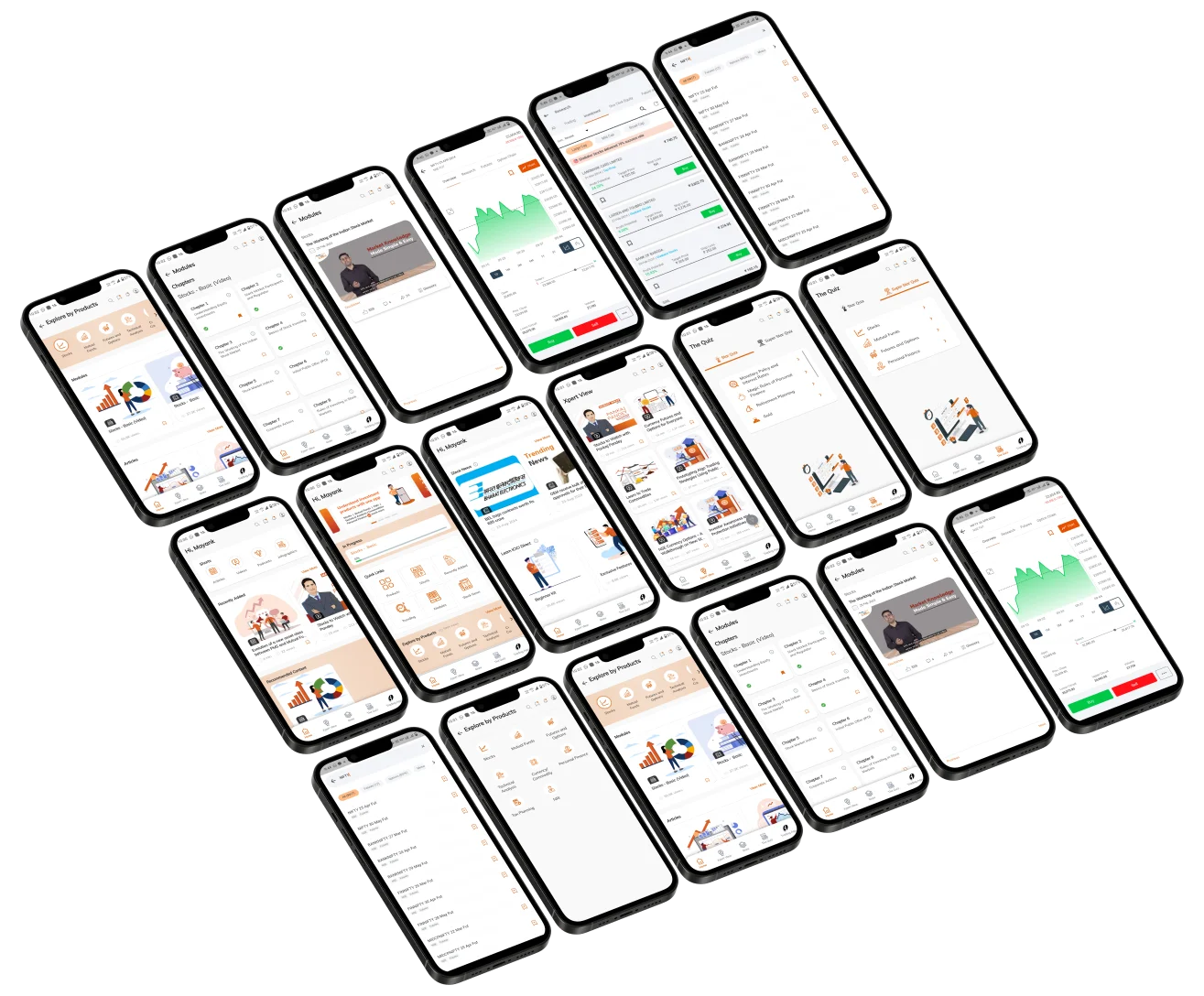
Elevate Your Financial Knowledge with the
ICICI Direct iLearn App




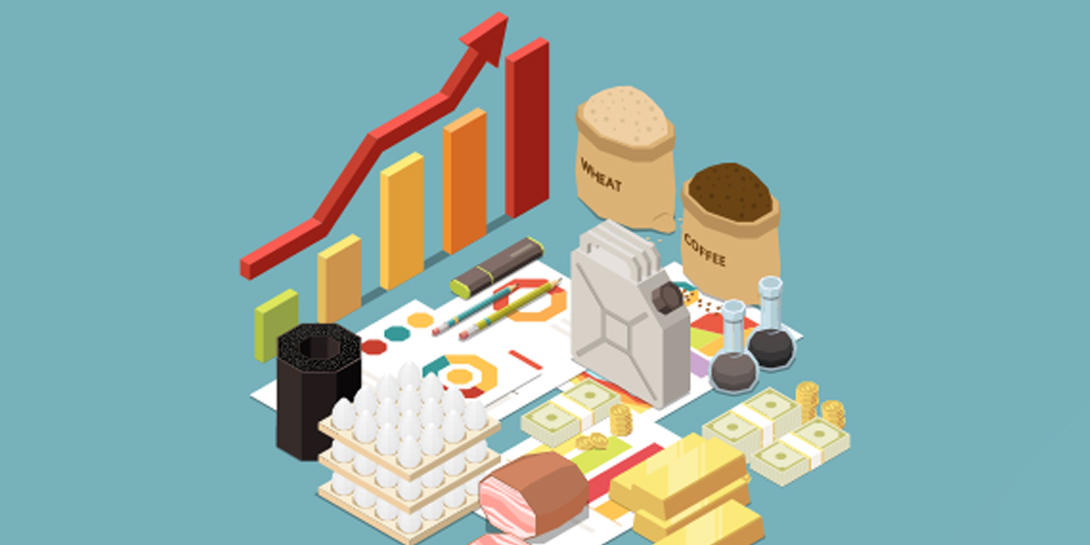
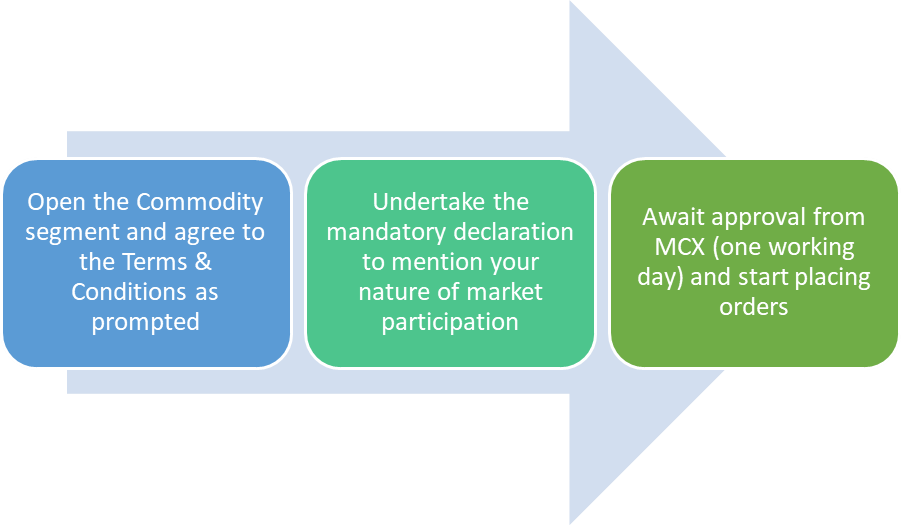
After the merger of FMC with SEBI, one can use the same account for trading in all asset classes namely stocks, commodities and currencies. So, to begin trading in Commodities, one can enable Commodity segment in the existing trading account or a new account can be created with a registered trading member or broker.
|
Do’s |
Don’ts |
|
Understand the Commodity Contract Specifications |
Don't get misled by rumours, luring advertisements and promises, and bull/bear run of market sentiments |
|
Understand the Delivery and Settlement Procedure |
Don't trade any contract without knowing the associated risks |
|
Understand and Comply with Taxation and other relevant laws |
Don't undertake off-market transactions |
|
Pay all applicable margins |
Don't delay payment/deliveries to Members |
|
Collect / pay mark-to-market margins on a daily basis. |
|
Commodities are classified into four categories as mentioned below.
Commodities are an important asset class that can be related to our daily life because we use all the commodities in our daily life. The food we eat, the jewellery we wear; the fuel we use for our vehicle are part of commodities. Following are the major benefits of trading in commodities:
Commodity market trading is having the longest trading hour in India operating from 9.00 AM to 11.30 / 11.55 PM as detailed below.
|
Commodity Category |
Trade Start Time |
Trade End Time |
|
Non-agricultural commodities |
9.00 AM |
11.30 / 11.55 PM |
|
Agricultural Commodities with international linkage |
9.00 AM |
9.00 PM |
|
Agricultural Commodities without international linkage |
9.00 AM |
5.0 M |
To open a commodity trading account, following documents to be submitted to the broker.
There is no fee required to activate or open a commodity trading account at ICICIdirect. It is simply a segment addition to your existing trading account.
All resident Indians, corporates, Mutual Funds, PMS, AIF, FPI, etc., can trade in Commodity Derivatives.
NRIs are not allowed to trade in Commodity Derivatives.
The various types of costs associated with trading in the commodity derivatives market include the following:


From supply disruptions and weather events to geopolitical developments, commodity prices move on a wide range of forces.
 213 views
 4 minutes
 12 Jun 2026
Understand silver trading, contract types, pricing factors, risks and expiry rules.
952 views
3 minutes
05 Jun 2026
Additional Exposure Margin increases capital requirements for concentrated F&O securities.
742 views
2 minutes
04 Jun 2026
Elevate Your Financial Knowledge with the
ICICI Direct iLearn App
Elevate Your Financial Knowledge with the
ICICI Direct iLearn App
